From Teeth to Toes: How Imbalances Affect the Whole Horse
When it comes to equine health, we often think of teeth and hooves as separate systems. However, they’re deeply connected—and imbalances in either can ripple through the horse’s entire body, affecting movement, posture, performance, and even behavior.
🦷 The Mouth:
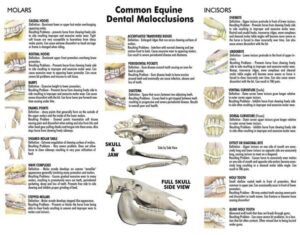
How the equine jaw works:
Horses have a unique dental structure know as hypsodent teeth, which are long-crowned teeth that continuously erupt throughout a horse’s life. They have two types of teeth: incisors, which are the front teeth used for cutting and biting, and cheek teeth, which are the molars and premolars for grinding food. The lower jaw makes circular movements beneath the upper jaw to crush food, ensuring efficient grinding of fibrous plant material.
More Than Just Chewing:
A horse’s teeth aren’t just for grinding hay. They play a key role in:
· Jaw alignment and TMJ function (temporomandibular joint)
· Neck posture and spinal balance
· Bit acceptance and rider communication
When dental imbalances occur—such as uneven wear, sharp points, or misaligned incisors—they can cause discomfort and restrict jaw movement. This affects the TMJ, which in turn influences the horse’s neck and poll. Over time, this can lead to muscle tension, poor posture, and compensatory movement patterns.
🦶 The Hooves: Foundation of Movement

Hoof balance is critical for proper limb alignment and weight distribution. Uneven trimming, poor shoeing, or conformation issues can lead to:
· Joint strain and soft tissue stress
· Altered gait and asymmetrical movement
· Back pain and pelvic misalignment
A horse compensating for hoof pain may shift its weight, change its stride, or hold its head differently—all of which can affect how the jaw moves and how the teeth wear down.
🔄 The Teeth-to-Feet Connection
Here’s where things get fascinating: the horse’s body is a system of interconnected parts. A dental issue can lead to changes in head carriage, which affects spinal alignment, which influences how the horse moves—and that movement can impact hoof wear and balance.
Likewise, hoof imbalances can cause the horse to move in ways that strain the neck and jaw, leading to uneven dental wear or TMJ dysfunction.
🧠 Signs Your Horse May Be Out of Balance
✅ What You Can Do
· Schedule regular dental exams with an equine dentist.
· Work with a qualified farrier who understands biomechanics.
· Use bodywork or chiropractic care to address compensation patterns.
· Keep a health log to track changes in movement, posture, and behavior.
If you suspect your horse has any imbalances of their teeth or hooves, contact your vet first. Have x-rays done of your horse’s feet then get your vet and farrier together to ensure your horse is trimmed or shod correctly. Have the vet check your horse’s teeth and float as needed.