 Equine athletes, like their human counterparts, experience training, competition, and recovery demands. As horse owners, trainers, and riders, we all aim to achieve the same goal — to provide the best possible care for our equine companions—those amazing creatures that help us achieve remarkable things and build strong friendships! One holistic practice that is rising in popularity among equestrians is equine sports massage. This therapeutic approach, rooted in science and empathy, is reshaping how we support the well-being and performance of our horses.
What Is Equine Sports Massage?
Equine sports massage is a specialized form of bodywork designed to target the soft tissues of a horse—muscles, tendons, and ligaments. Just as athletes benefit from massage therapy to ease tension, improve flexibility, and accelerate recovery, horses, too, experience profound advantages from regular, skilled massage sessions. The therapist uses different techniques, such as gentle stroking (effleurage), kneading (petrissage), tapping (tapotement), and rubbing (friction), to find and treat areas where the horse’s muscles are tight, sore, or unbalanced.
Physical Benefits: Easing Tension, Enhancing Mobility
A primary benefit of equine sports massage is the alleviation of muscular tension. Horses can develop tight or sore muscles for many reasons—intense training, improper saddle fit, conformation issues, or simply the repetitive motion of their discipline. Tight muscles cause discomfort and may also restrict movement and lead to compensatory patterns, increasing the risk of injury. Massage helps by:
· Increasing Blood Circulation: Improved circulation ensures that oxygen and nutrients are delivered efficiently to muscle fibers, helping tissues repair and recover from exertion or injury. It also aids in the removal of metabolic waste that can accumulate after strenuous activity.
· Promoting Lymphatic Drainage: The gentle manipulation of soft tissue stimulates lymph flow, reducing inflammation and swelling while supporting the immune system’s natural healing processes.
· Enhancing Flexibility and Range of Motion: Regular massage can help restore or even increase a horse’s natural movement by releasing adhesions and relaxing contracted muscles, making gaits more fluid and athletic performance more dynamic.
· Relieving Soreness and Stiffness: Horses that receive massage often display reduced discomfort in their backs, necks, shoulders, and haunches, especially after strenuous workouts or competition.
Preventing Injury and Supporting Rehabilitation
Prevention is often the best medicine. Equine sports  massage can help catch potential issues before they develop into serious injuries by detecting muscle tightness, spasms, or areas of discomfort early. During hands-on evaluation, a trained therapist is skilled at recognizing subtle changes in tissue quality, muscle tone, or behavioral response.
· Spotting Compensatory Patterns: If a horse is overworking one side of their body due to pain or stiffness, massage can reveal these imbalances, allowing the owner to adjust their training or seek veterinary input.
· Accelerating Recovery Post-Injury: For horses coming back from injuries such as strains, tears, or surgical interventions, sports massage is a valuable complement to veterinary care. It helps maintain muscle condition, manage scar tissue, and restore normal function while reducing the likelihood of re-injury.
Performance Enhancement: Bringing Out the Best
Elite equine athletes require their bodies to perform at the highest level, whether in dressage, jumping, racing, western riding, or other disciplines. Even pleasure horses and retirees benefit from feeling comfortable and free in their movement. Regular sports massage contributes to:
· Improved Athletic Performance: With better flexibility, less muscle tension, and increased comfort, horses can achieve greater reach, impulsion, and stamina in their work.
· Faster Warm-Up and Cool-Down: Massage before exercise prepares the muscles for activity, reducing the risk of strains. After exercise, it helps the body transition smoothly into recovery, minimizing soreness and stiffness the next day.
· Confidence and Willingness: Horses that are comfortable in their bodies are more likely to respond positively to training, take on new challenges, and maintain a good attitude toward work.
Emotional and Behavioral Benefits
The benefits of equine sports massage extend beyond the purely physical. Horses are highly sensitive animals, attuned to their environment and the people around them. Physical discomfort can manifest as behavioral issues—resistance under saddle, irritability during grooming, hesitation at obstacles, or reluctance to move forward. Through gentle, attentive touch, massage can:
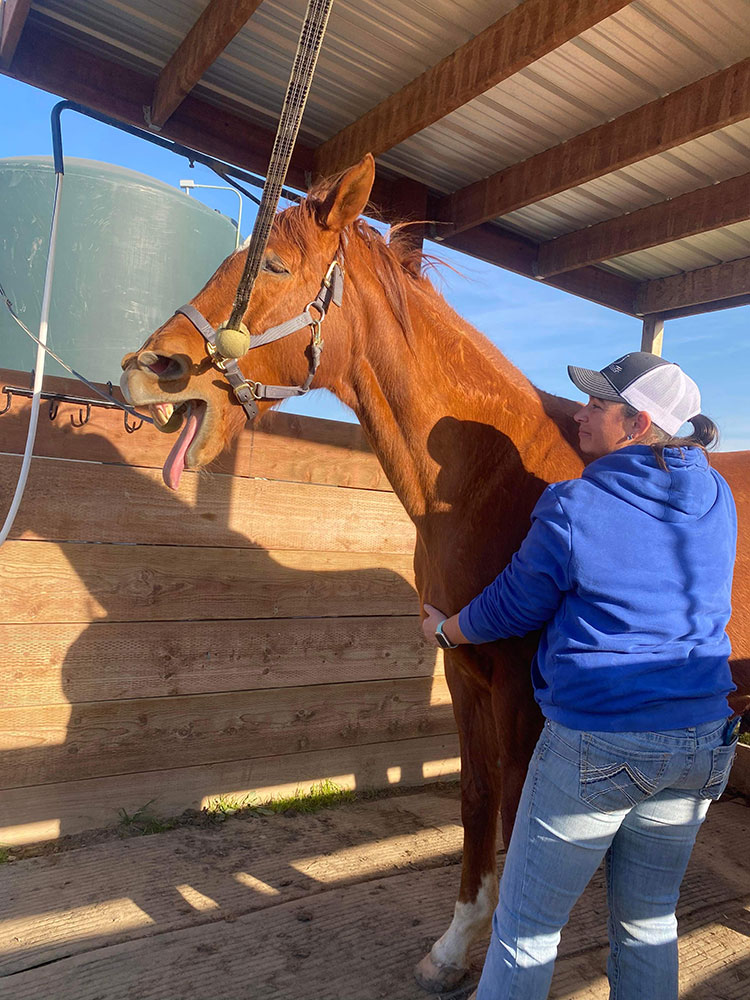
· Promote Relaxation and Reduce Stress: Horses often exhibit signs of deep relaxation during massage: softened eyes, lowered heads, licking and chewing, and even occasional sighs. This state of calm can translate to improved behavior both in and out of the arena.
· Rebuild Trust and Bonding: Especially for horses with histories of injury, trauma, or negative handling, massage sessions offer a positive, non-demanding interaction. It’s an opportunity to rebuild trust and reinforce the handler-horse relationship.
· Increase Body Awareness: Massage helps horses tune into their own bodies, making them more receptive to subtle cues from their riders and more confident in their movements.
When Should You Consider Equine Sports Massage?
While sports massage is beneficial for almost all horses, certain situations especially warrant its inclusion in your horse’s routine:
· After a particularly intense show, competition, or training session
· During periods of increased workload or when learning new skills
· As part of recovery after injury, surgery, or lameness (in consultation with your veterinarian)
· If your horse displays unexplained changes in behavior, movement, or attitude
· For older horses to maintain mobility and comfort
Choosing a Qualified Practitioner
To reap the full benefits of equine sports massage, working with a certified and experienced practitioner is essential. These professionals keenly understand equine  anatomy, biomechanics, and behavior. They will conduct an initial assessment, tailor each session to your horse’s needs, and work collaboratively with your veterinarian, farrier, and trainer.
Integrating Massage into a Holistic Care Plan
Massage therapy is most effective when integrated into a comprehensive wellness program. Alongside proper nutrition, veterinary care, dental maintenance, hoof care, and appropriate exercise, massage helps ensure your horse feels and performs at their best. It is not a substitute for veterinary medicine but an invaluable complement, supporting the horse’s physical and emotional equilibrium.
Conclusion: Investing in Your Horse’s Well-Being
Equine sports massage is more than a luxury—it’s a vital tool for enhancing your horse’s quality of life. It helps unlock athletic potential, speeds recovery, and fosters relaxed confidence and comfort. By incorporating regular massage into your care routine, you invest in your horse’s long-term health, happiness, and partnership for years. Whether you have a competitive athlete, a weekend warrior, or a beloved retiree, every horse deserves the gift of skilled, compassionate touch.